ServicesRoof Replacement
Roof Replacement in Crescent Springs, Done Down to the Decking
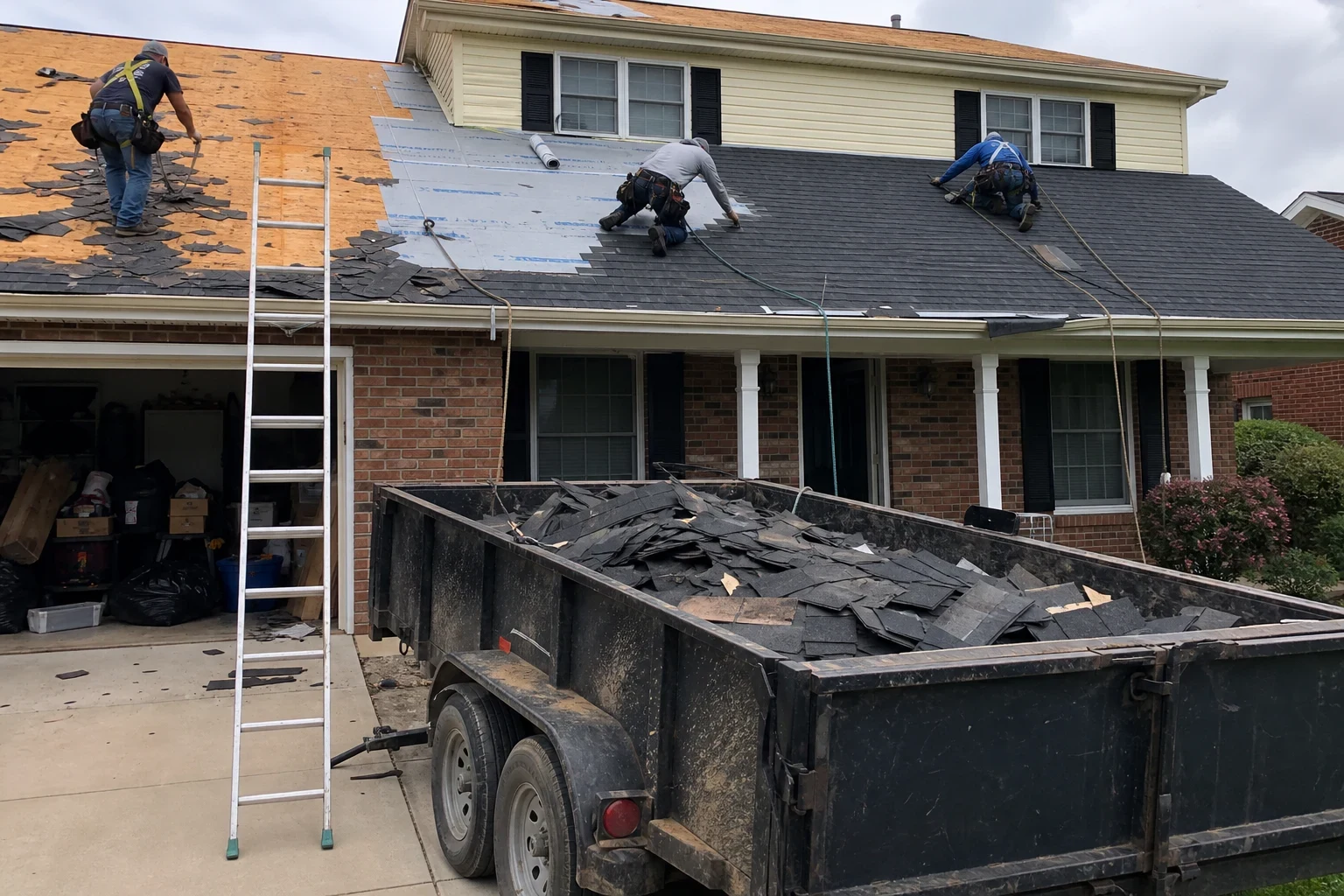
When repairs stop holding, we tear your old roof off to the wood, fix what's soft and build it back with new underlayment, flashing and shingles. After it has seen some weather, we come back to check our work and show you how to look after it.
When Replacing Beats Repairing
A single leak rarely means the whole roof has to go. A lifted shingle or a cracked pipe boot is a repair job, and we'll say that up front. Replacing makes sense when wear shows across every slope, when new leaks keep turning up in different rooms, or when the wood under the shingles has gone soft.
We're licensed and insured, and every roof we replace comes with a 10-year labor warranty. That covers the work our crew did: how the shingles were nailed, how the flashing was set, how the vents and edges were finished.
The job doesn't end when the dumpster leaves. We come back after your new roof has been through some rain and a few temperature swings, look it over, and walk you through what to watch for so small things get caught early.
What a Full Replacement Covers
- 01
Tear-off to the decking
We remove every layer of old shingles and underlayment. Stripping it all lets us see the wood and drive new nails into solid sheathing instead of over old material.
- 02
Decking repair
Soft, rotted or delaminated boards get cut out and replaced. We take photos of what we find and show you before we swap anything, and it shows up on your estimate as its own line.
- 03
Ice and water barrier plus underlayment
A self-sealing membrane goes along the eaves, in the valleys and around pipes and chimneys. Those are the spots where winter ice backs water up under shingles. Synthetic underlayment covers the rest of the deck.
- 04
New flashing and vents
Drip edge, step flashing, chimney flashing and pipe boots are replaced, not reused. We also check that the attic has enough intake and exhaust, because a hot, damp attic wears shingles out from below.
- 05
Shingles, ridge and hand-nailed details
Shingles go on to the maker's nailing pattern, with starter strips at the edges and proper ridge caps. Valleys and walls get the most attention, since that's where water runs hardest.
- 06
Cleanup and care notes
We run a magnet over the yard, driveway and flower beds for loose nails. Before we leave, you get a walk-around and plain notes on caring for the roof.
Questions about Roof Replacement?
Call(859) 251-3835Signs Your Roof Is Due for Replacement
Curling or cupped shingles
Edges that lift or centers that sink mean the shingles have dried out. Wind gets under them, and they crack in the cold.
Grit piling up in the gutters
Some loose granules wash off any roof in its first year. On an older roof, heavy drifts of them in the gutters or at the downspouts mean the top coat is wearing away and the asphalt is left bare to the sun.
Water showing up in different rooms
A single drip usually traces back to one bad spot we can fix. When ceilings in several parts of the house start to stain, the roof is giving out in more than one place.
A soft or sagging roof line
If the roof looks wavy from the street or feels spongy underfoot, the decking may be rotting. That needs to be opened up.
Patches on top of patches
When every season brings another fix, the money is better spent on a roof that doesn't need them.
How a Replacement Goes, From First Look to Follow-Up
- 1
Free inspection, then a written estimate
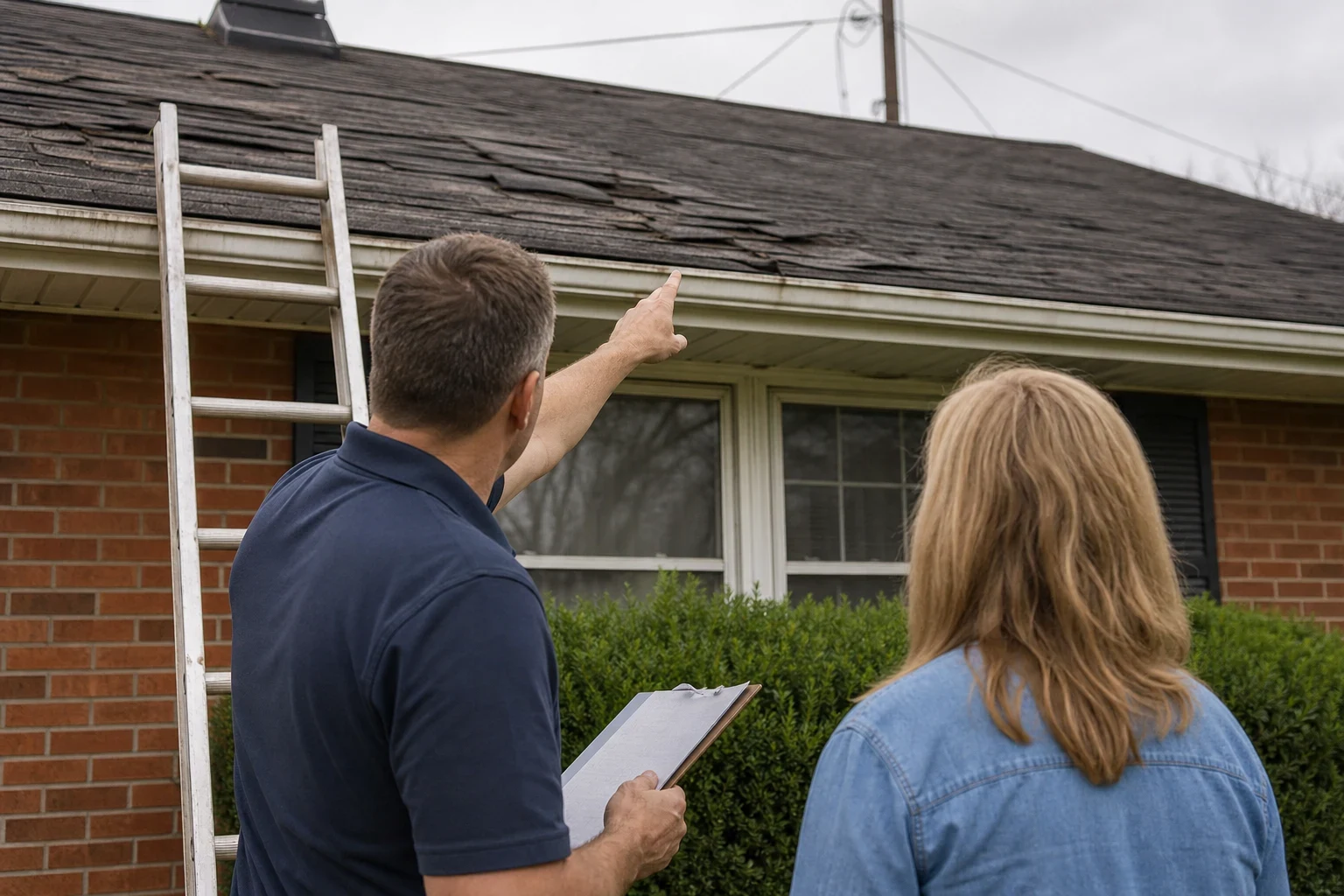
We climb up, check every slope and look at the attic from inside, taking photos as we go. Then we tell you whether a repair or a new roof makes more sense. If it's a new roof, the estimate lists each part of the job separately.
- 2
Prep and permit
We pull the permit where one is needed and schedule materials. On the first morning we cover shrubs and beds with tarps and set the dumpster where it won't block you in.
- 3
Tear-off and build
The old roof comes off one section at a time, so the house is never left open overnight. Many houses take one to three working days, depending on size, layers and weather.
- 4
Cleanup and walk-around
A magnet sweep picks up stray nails and the dumpster gets hauled away. Then we go around the house together, point out the new flashing, vents and edges, and answer whatever you ask while we're standing there.
- 5
The check-back visit
After the roof has seen some real weather, we come back. We look for lifted shingles, check the flashing and gutters, and go over simple upkeep, like keeping gutters clear and branches trimmed back.
What Sets the Price of a New Roof
We price every roof after we've been on it and in the attic. Your estimate breaks the job into parts so you can see where the money goes. These are the things that move the number most.
- Roof area and steepness
- A bigger roof takes more shingles, more underlayment and more hours. A steep one calls for harnesses and roof jacks, and the crew has to move slower on it.
- Layers to remove
- Some older houses have two layers of shingles. Each extra layer adds tear-off time and disposal weight.
- Condition of the decking
- We can't see every board until the shingles are off. Any decking that needs replacing is priced per sheet on your estimate, so there's no guessing later.
- Materials and ventilation
- The shingle line you pick, plus any added ridge or intake vents, changes the cost. We'll explain the difference in plain terms.
- Chimneys, skylights and access
- Every chimney, skylight and wall joint needs its own flashing work. Tight lots or steep driveways can also add time.
Roof Replacement Questions
Can you just put new shingles over my old ones?
We don't recommend it. Laying over hides soft decking, traps heat and adds weight. Tearing off lets us fix the wood, put down proper ice and water barrier and start fresh.
Will my insurance pay for a new roof?
It depends on what caused the damage. Wear and age usually aren't covered, while sudden damage from wind or hail often is. We'll photograph what we find and explain what we see, but your adjuster makes the call. Our Storm Damage Repair page has more on that process.
What does your 10-year labor warranty cover?
It covers our workmanship on the roof we install, such as nailing, flashing and how the edges and vents were finished. If a problem traces back to how we put something on, give us a ring and we'll come out to look at it.
Do I need to be home during the tear-off?
Not for the whole job. We like to catch you for a few minutes the first morning and again at the end for the walk-around. It's loud work and scraps fall off the edges, so move cars off the driveway and keep pets indoors.
What happens at the check-back visit?
We return after the roof has been through some weather and check shingles, flashing, vents and gutters. We point out anything to keep an eye on and go over easy upkeep so the roof lasts.
How do I know I don't just need a repair?
That's what the inspection is for. If a repair will hold, we'll say so and point you to our Roof Repair service. If you want an outside opinion first, our Roof Inspections page explains what we check.
Find Out What Your Roof Really Needs
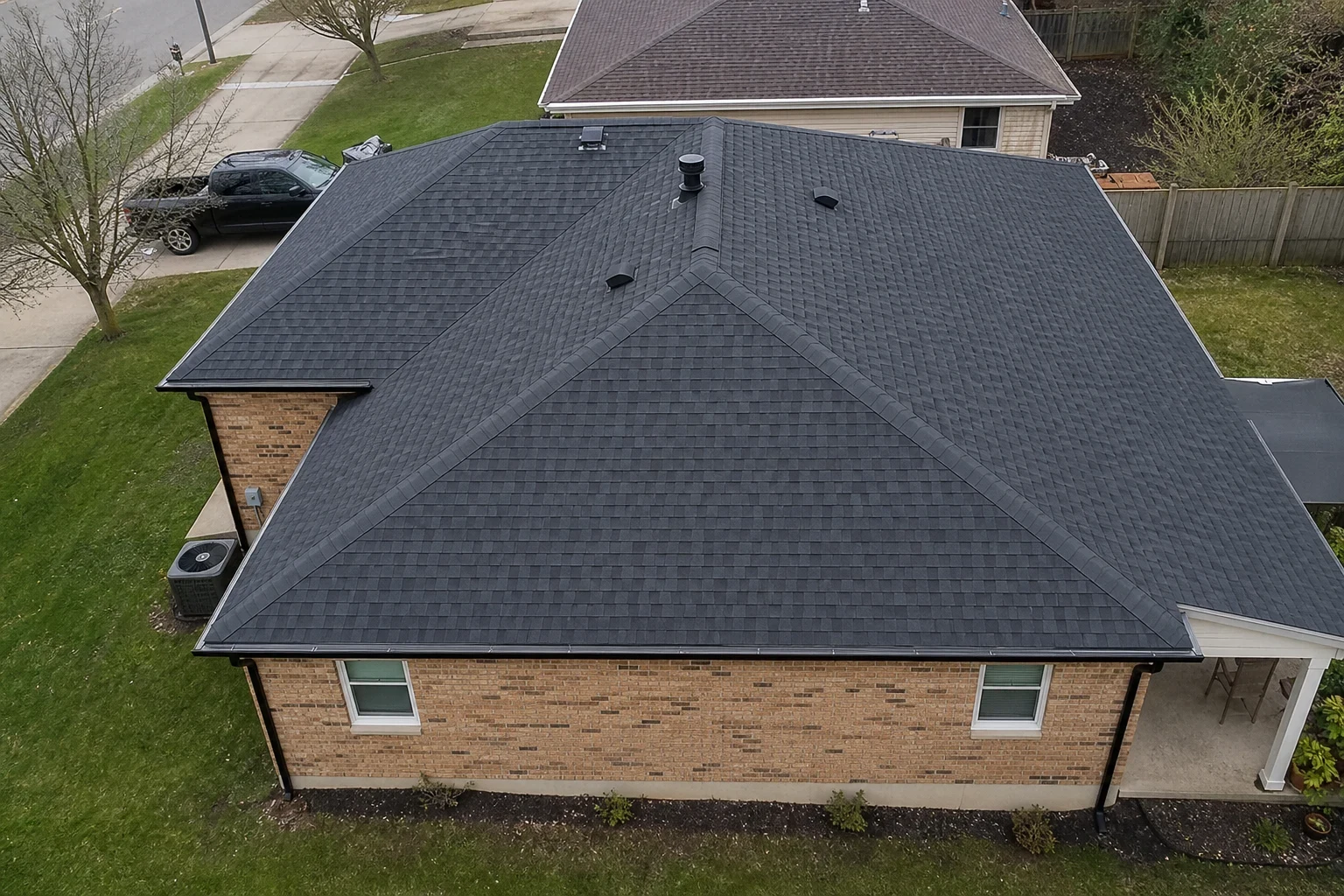
We'll look at your roof and attic, show you photos and tell you straight whether it's time for a new one. If it is, you get a written estimate and a plan that includes our return visit.